Gale Brewer bill would give NYC storefronts a one-year grace period when leases end
A Council proposal from Gale Brewer would limit rent hikes during a one-year extension and make landlords put longer leases on paper.
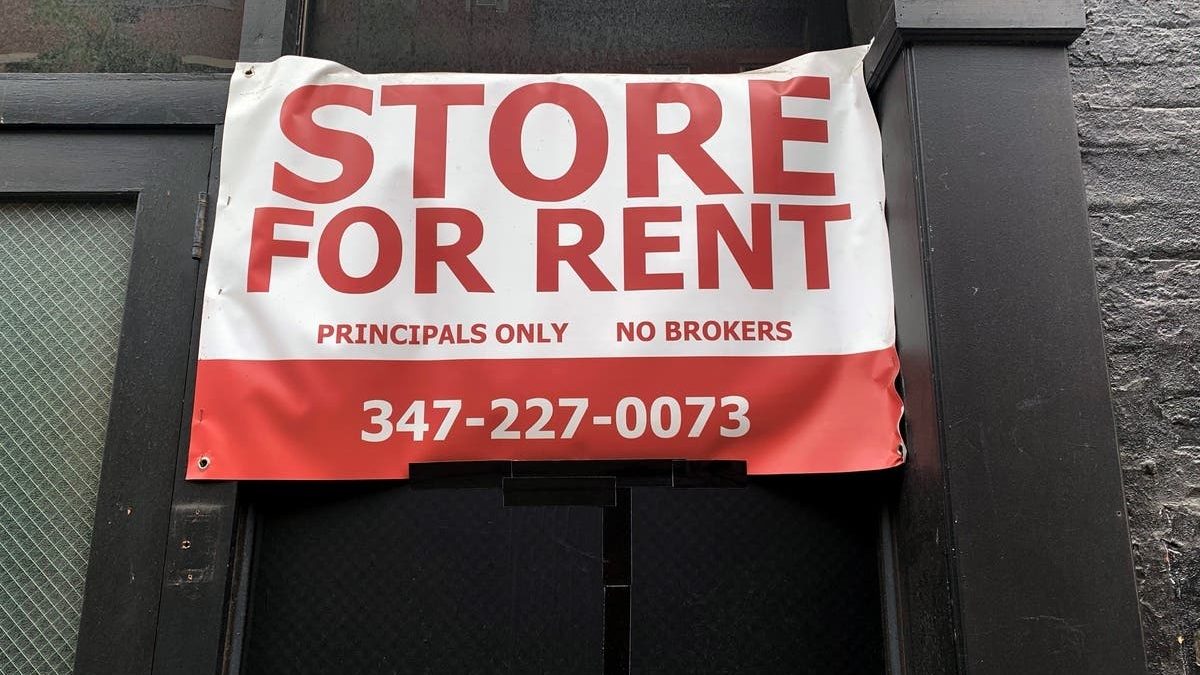
Storefront businesses in New York City would get up to a year of extra time in their spaces after a lease expires, even if the landlord declines to renew, if a City Council proposal from Council Member Gale Brewer becomes law.
Brewer’s bill, the Storefront Business Bill of Rights, came before the Council’s Small Business Committee at a hearing, but members took no vote. She said the added year would give businesses hit with a sharp rent increase, or stuck in renewal talks that go nowhere, room to figure out what comes next. “We need some teeth for the mom and pops,” Brewer said.
How the storefront lease extension and rent caps would work
How much the rent could climb during the extra year would depend on the landlord’s notice. An owner who warns the tenant 120 days or more in advance could raise it by up to 10 percent. Shorter warning would hold the increase to 7 percent. If the landlord already has a new tenant lined up, the extension could be shorter.
Owners would have to let tenants know in advance whether a lease will be renewed, and any agreement running more than a year would need to be on paper. Prospective tenants would also get a look at the property before handing over a first rent check: the building’s certificate of occupancy, what it cost to run over the previous two years, a forecast of costs for the two years ahead and any violations on record from the past decade. Model commercial leases, with translations, would be posted online by the Department of Small Business Services.
Why landlords and business groups push back
Haris Khan, the department’s chief of staff, said some businesses rent on a verbal arrangement, and tenants may not ask for a written lease for fear the landlord will use it to reopen the deal. The bill does not limit its protections by revenue, head count or number of locations. It covers qualifying storefronts across the board.
Real estate groups argue that a required extension would complicate owners’ planning around lease end dates and their work preparing spaces for the next tenant. The Manhattan Chamber of Commerce says the extra year would push hard renewal talks down the road without settling them.
This is not Brewer’s first attempt. Her 2024 bill, Introduction 568, died when the last Council term ended, and earlier drafts never advanced either.
Quick answers
How much could rent rise during the extension year?
No more than 10 percent if the landlord gives at least 120 days' notice, or 7 percent with shorter notice.
Is the Storefront Business Bill of Rights law?
No. The Council's Small Business Committee heard the bill but did not vote on it.
What would landlords have to disclose to new storefront tenants?
The building's certificate of occupancy, its operating costs for the prior two years, a cost forecast for the next two years and any known violations from the past decade.