Small NYC shops can get help paying for alarms and panic buttons
A $200,000 City Council program sends $40,000 to each borough's chamber of commerce to help small retailers pay for security equipment.
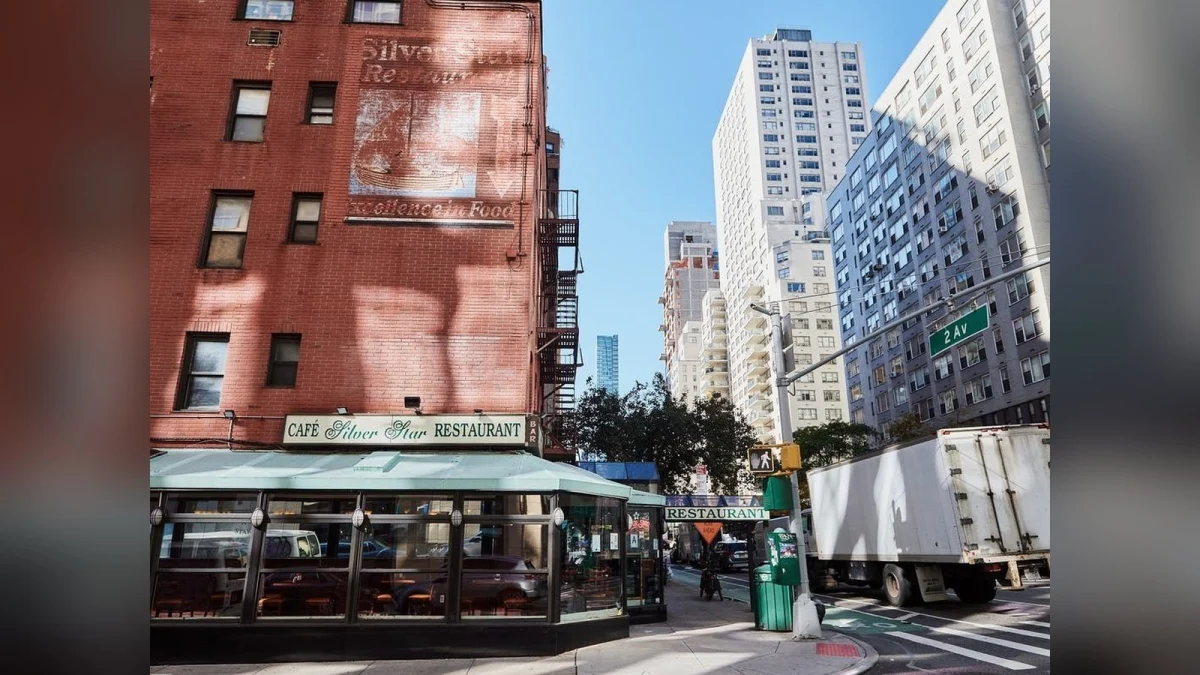
New York City retailers with small staffs can now apply for money to cover alarms, panic buttons and similar security gear. Council Speaker Julie Menin announced the $200,000 City Council initiative.
The Five Borough Chamber Alliance Initiative splits the money evenly. Manhattan, Brooklyn, Queens, the Bronx and Staten Island each get $40,000 for their borough’s chamber of commerce, which will use it to help qualifying shops buy equipment and have it installed.
Who qualifies for NYC small business security funding
To qualify, a shop has to sell at street level and have no more than 50 employees. Some businesses go to the front of the line: those located outside business improvement districts, those owned by women or minorities, and those in neighborhoods where incomes are low or moderate.
Each chamber picks the recipients together with businesses in its borough. Afterward, it must give the Council’s Finance Division a full account of where the money went and which selection rules it applied.
The grants are meant as a stopgap. Under Local Law 120, the city must set up a permanent program that helps eligible small retailers spend less on security systems and their installation. The law gives that job to Small Business Services unless the mayor hands it to a different agency.
Manhattan Chamber’s plans and the Manhattan 2040 project
In Manhattan, the chamber will steer its share toward businesses that have few other ways to pay for security. “Retail theft hits the smallest shops the hardest,” said Jessica Walker, the chamber’s president and CEO. She warned that a single rough week can cost a shop a month’s earnings.
The chamber is also launching Manhattan 2040, a long-range project that asks whether the borough can keep growing without losing its small businesses, its workers and its middle-income families. It will follow data on jobs, population, new housing, small-business activity and what households earn. The first report, “Unleashing Four Economies,” will study the small-business sector. Federal Bureau of Economic Analysis figures put Manhattan’s yearly economic output above $1 trillion, the first county in the nation to pass that mark.
The chamber sees three possible paths. In “Renaissance Borough,” the population rises, 80,000 to 100,000 new homes go up and the applied artificial intelligence industry gets bigger. “Managed Decline” brings slower construction, higher rents, families and middle-income workers leaving, and weaker growth in new industries. Under “Concentrated Manhattan,” the economy keeps expanding while small businesses vanish, the middle class shrinks and wealth gathers among higher earners.
Quick answers
Which businesses qualify for the NYC security equipment funding?
Street-level retail shops with no more than 50 employees. Shops outside business improvement districts, in low- or moderate-income neighborhoods, or owned by women or minorities come first.
Who decides which shops get the money?
Each borough's chamber of commerce chooses recipients together with local businesses, then reports to the Council's Finance Division on how the money was spent.
Will there be a permanent program?
Yes. Local Law 120 requires the city to create one, run by Small Business Services or by another agency the mayor picks.