REBNY-backed lawsuit challenges New York’s retroactive second-home tax
Plaintiffs in a REBNY-funded suit say the new second-home levy is unconstitutional. They face extra bills of up to $83,603, and the tax is due by January.

A group of New York City second-home owners, among them a Miami couple, has joined with a city co-op to sue the Hochul administration over the new pied-à-terre tax. The case went to state Supreme Court on Sept. 29, and the Real Estate Board of New York is paying for it.
What the pied-à-terre tax lawsuit claims
The suit argues that the levy violates both the U.S. and state constitutions. It says the tax discriminates against nonresidents and places unfair burdens on homeowners and cooperative buildings. It also says the tax wrongly applies back to Jan. 5, nearly five months before the state Legislature and Gov. Kathy Hochul enacted it on May 28. Mayor Zohran Mamdani asked for the tax as a way to bring $500 million into City Hall’s budget. Hochul and Mamdani pitched it as a tax on billionaires, but it also applies to owners of less expensive second homes.
One set of plaintiffs is Scott Golden and Stephanie Cohen, a couple from Miami who run an insurance brokerage. They sold their Riverside Boulevard condo on the Upper West Side in July for $6.55 million. On the way out, they received an extra bill of $48,949, about 25 times their usual property tax. Golden, 63, called the tax “blatantly unfair” to out-of-staters and said the couple would have sold sooner if they had been able to plan for it.
Retired owners face a bill of more than $108,000
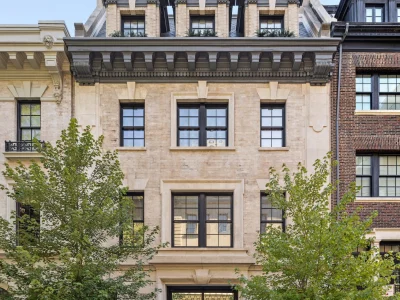
Kent Barwick, 85, a former head of the city’s Landmarks Preservation Commission, joined the case with his wife, June. Since 1972 the couple has owned a Little Italy co-op on Mott Street. Several years ago they relocated to Cherry Hill, upstate, and now use the apartment part time. The city values it at nearly $2.1 million. Their new charge of $83,603 comes on top of $24,984 in regular property taxes, for a total of $108,587. Barwick said the retired couple now faces a tax bill four times what they used to pay. According to June, selling the apartment could become necessary if they cannot raise the money.
The plaintiffs and other affected owners must pay the tax by January. In a related lawsuit, a judge earlier ordered the city to restart the process from scratch. Two weeks ago Mamdani said the rollout would go ahead anyway, and the city appealed the ruling.
REBNY president Jim Whelan said the plaintiffs’ cases show the tax is hurting New Yorkers rather than the out-of-state billionaires its backers said it would target.
Quick answers
Who is suing over the NYC pied-à-terre tax?
A group of second-home owners, including a Miami couple and a retired couple living upstate, along with a New York City co-op, sued the Hochul administration on Sept. 29. The Real Estate Board of New York is funding the case.
Why do the plaintiffs say the tax is illegal?
They argue it discriminates against nonresidents, places unfair burdens on homeowners and co-ops, and applies back to Jan. 5, before it was enacted May 28.
When is the pied-à-terre tax due?
Owners hit by the tax must pay it by January.