Council bill would carve out five ‘low-traffic neighborhoods’ across NYC
A proposal from the Council's transportation chair would order speed humps, medians or barriers in five areas to keep cut-through drivers off residential blocks.
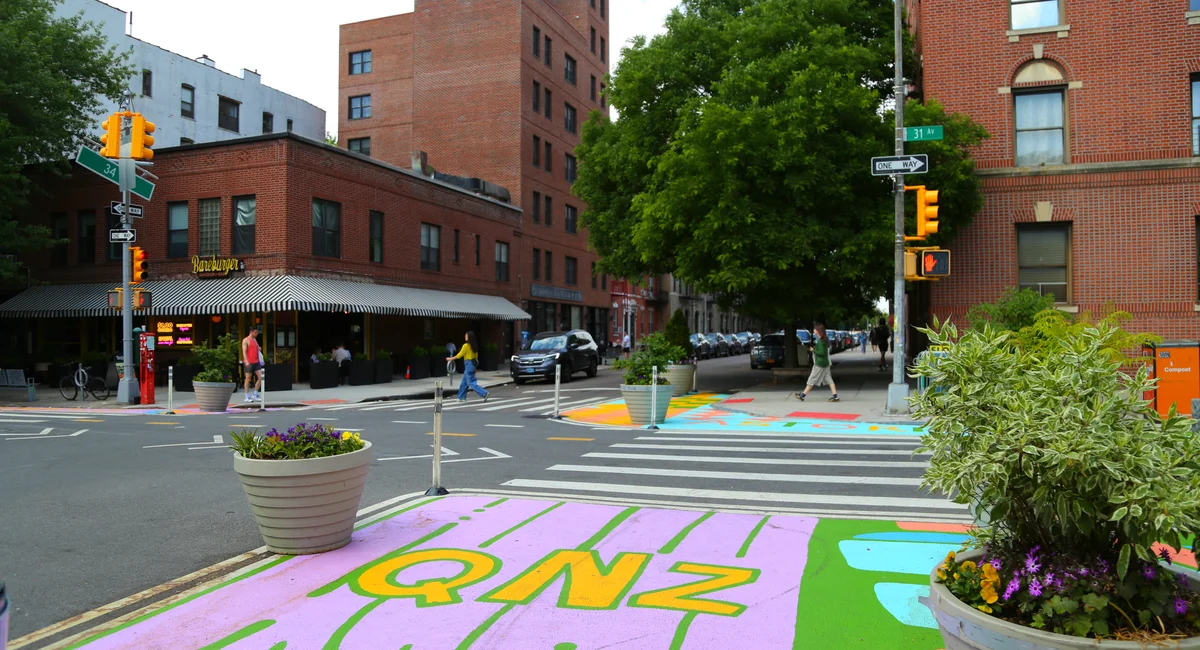
A City Council bill set to be introduced Thursday would require the city’s transportation department to turn five neighborhoods into “low-traffic neighborhoods,” using small street changes to steer through traffic away from residential blocks.
Councilmember Sean Abreu, who chairs the Council’s transportation committee, is sponsoring the measure with a group of colleagues. Under the proposal, each of the five areas would get at least two kinds of traffic-calming features, such as speed humps, medians or barriers at intersections that force drivers to slow down.
How a low-traffic neighborhood would work in NYC
Abreu said the aim is to stop drivers from using residential streets as shortcuts while keeping every block reachable. Private cars, deliveries, emergency vehicles and sanitation trucks could all still get in, he said, but “traffic simply cannot cut through.” Pointing to the collisions the city has seen, he said the changes are modest but could make streets safer.
The bill spells out specific design changes the city would have to make, which goes further than the road safety plan Mayor Zohran Mamdani released earlier this month. That plan maps out the next 20 years of the city’s Vision Zero program and includes loosely defined promises of “pedestrian-only” and “pedestrian-priority” districts. Mamdani has also revived street redesign projects his predecessor had shelved, as the city deals with a string of deadly hit-and-run crashes this year.
Abreu said the idea came out of conversations with London lawmakers who oversee low-traffic neighborhoods in that city.
Manhattan borough president backs the pilot approach
Manhattan Borough President Brad Hoylman-Sigal supports the bill. He said community board members in Upper Manhattan have been asking for changes like these, and he argued that European cities that pushed traffic off residential streets have seen fewer traffic deaths.
He described the plan as a way to test designs first: “you start with pilots to learn how these designs can work best in New York City.” Once residents see the results, he said, he expects more community boards to want them.
Quick answers
What would the low-traffic neighborhoods bill require?
The city transportation department would have to install at least two types of traffic-calming devices, such as speed humps, medians or intersection barriers, in each of five neighborhoods.
Could emergency vehicles still reach streets in a low-traffic neighborhood?
Yes. Abreu said private cars, deliveries, emergency vehicles and sanitation trucks would keep access, but drivers could not cut through.
Who is sponsoring the bill?
Councilmember Sean Abreu, chair of the Council's transportation committee, with a group of other councilmembers.