27 rabid animals so far in NYC this year: how to respond to a bite and who to call
Health officials have confirmed 27 rabid animals in four boroughs in 2026, already more than in all of 2025. Here are the steps to take if an animal bites or scratches you.
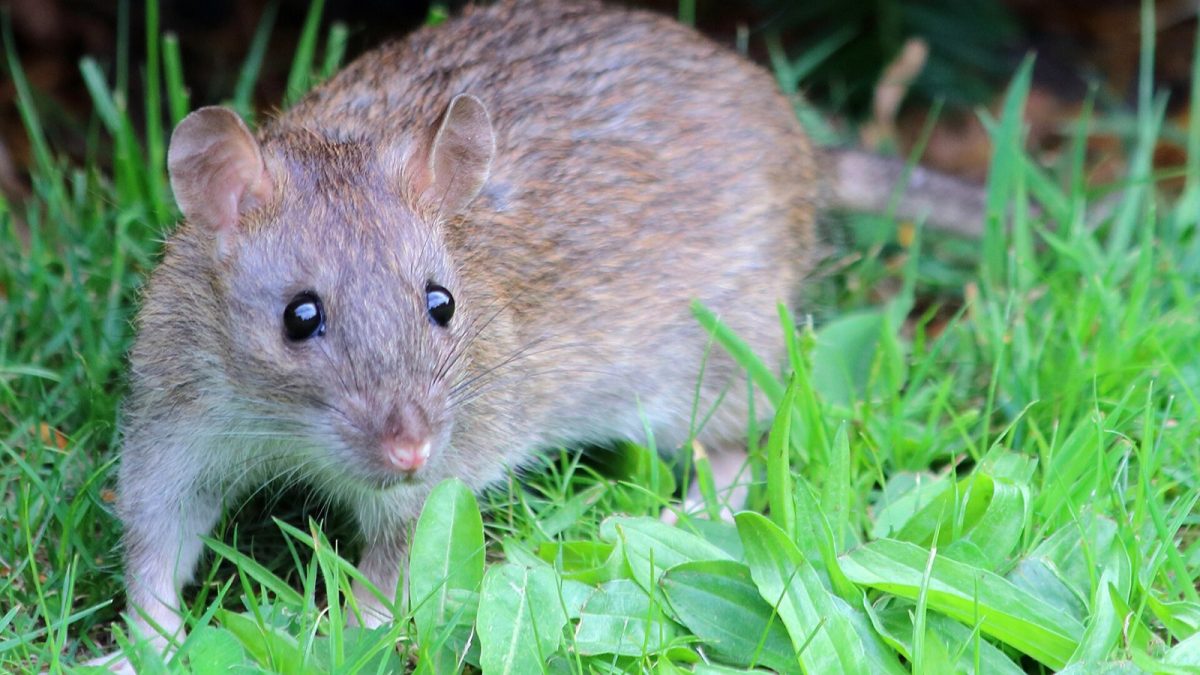
Health officials have confirmed 27 rabid animals across New York City so far in 2026, in the Bronx, Brooklyn, Queens and Staten Island. Manhattan has had none. Because rabies is nearly always fatal once symptoms start, officials want New Yorkers to know how to respond to a bite or scratch.
This year’s tally has already passed the 2025 full-year count of 22. Nearly every case has been a raccoon, with a handful of skunks. Most were logged starting in May, as the weather warmed. The newest positive result came Sept. 8, from a raccoon near Marine Park in Brooklyn.
New York is part of a wider rise. Over July and August, rabies-related inquiries to the federal disease agency climbed 17% from the same two months last year, according to a Sept. 10 health advisory from the Centers for Disease Control and Prevention. The advisory added that at least eight state health departments, left unnamed, saw more use of preventive treatment, more errors in giving it, or both.
What to do if an animal bites or scratches you in NYC
Start cleaning the injury immediately. Use soap and water if you have them, or plain water if not, and keep rinsing for a full 15 minutes. Next, the CDC says, get in touch promptly with a medical provider or a public health official for an assessment. Their decision on treatment depends on the species, how the animal acted, the kind of contact, and whether the animal can be tested or observed.
Trying to trap a possibly rabid animal is a bad idea unless you can do it without risk. Animal control or the local health department can step in. Anywhere in the five boroughs, the number to dial about an animal that may have rabies is 311.
How rabies spreads and how treatment works
Rabies is a virus that attacks the nervous system. People catch it through a bite, a scratch, or saliva that gets into broken skin, the eyes, the nose or the mouth. Any mammal can carry it, though raccoons, bats, foxes and skunks are the usual wild culprits in the U.S. Earlier this summer, close to 300 people in North Carolina were exposed to rabid goats at a petting zoo. You usually cannot spot rabies just by looking at an animal.
Post-exposure prophylaxis, or PEP, works when it is given quickly and correctly. For people who have not been vaccinated, it pairs rabies vaccines with immune globulin. Supplies are adequate, but mistakes in giving the treatment lead to side effects, wasted resources and high costs.
City records offer some reassurance. No dog here has tested positive in more than 60 years, and the health department says the city’s most recent human case dates to 1947.
Quick answers
What should I do right after an animal bites or scratches me in NYC?
Rinse the injury for a full 15 minutes, with soap and water or plain water, then promptly contact a medical provider or public health official, who will decide whether you need treatment.
Who handles a possibly rabid animal in the five boroughs?
Dial 311. Do not try to catch the animal unless you can do it safely.
Which boroughs have had rabid animals in 2026?
The Bronx, Brooklyn, Queens and Staten Island. Manhattan has had none this year.